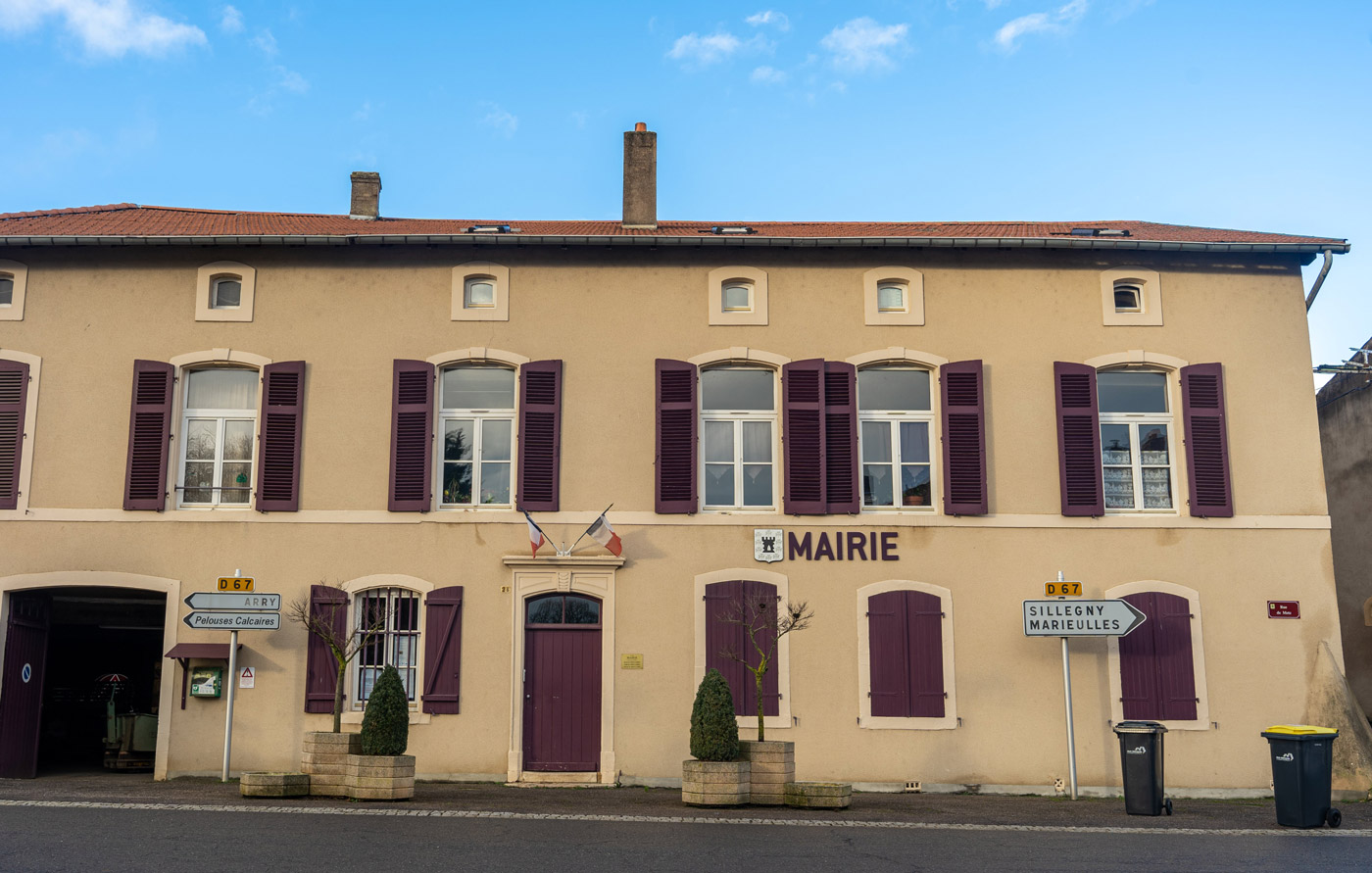
Since 1 January 2023, the commune of Lorry-Mardigny has been an integral part of the Metz Euro-Metropolis. Bordering Marieulles (with which it shares a market featuring local artisan producers), it marks the southern boundary of the area.
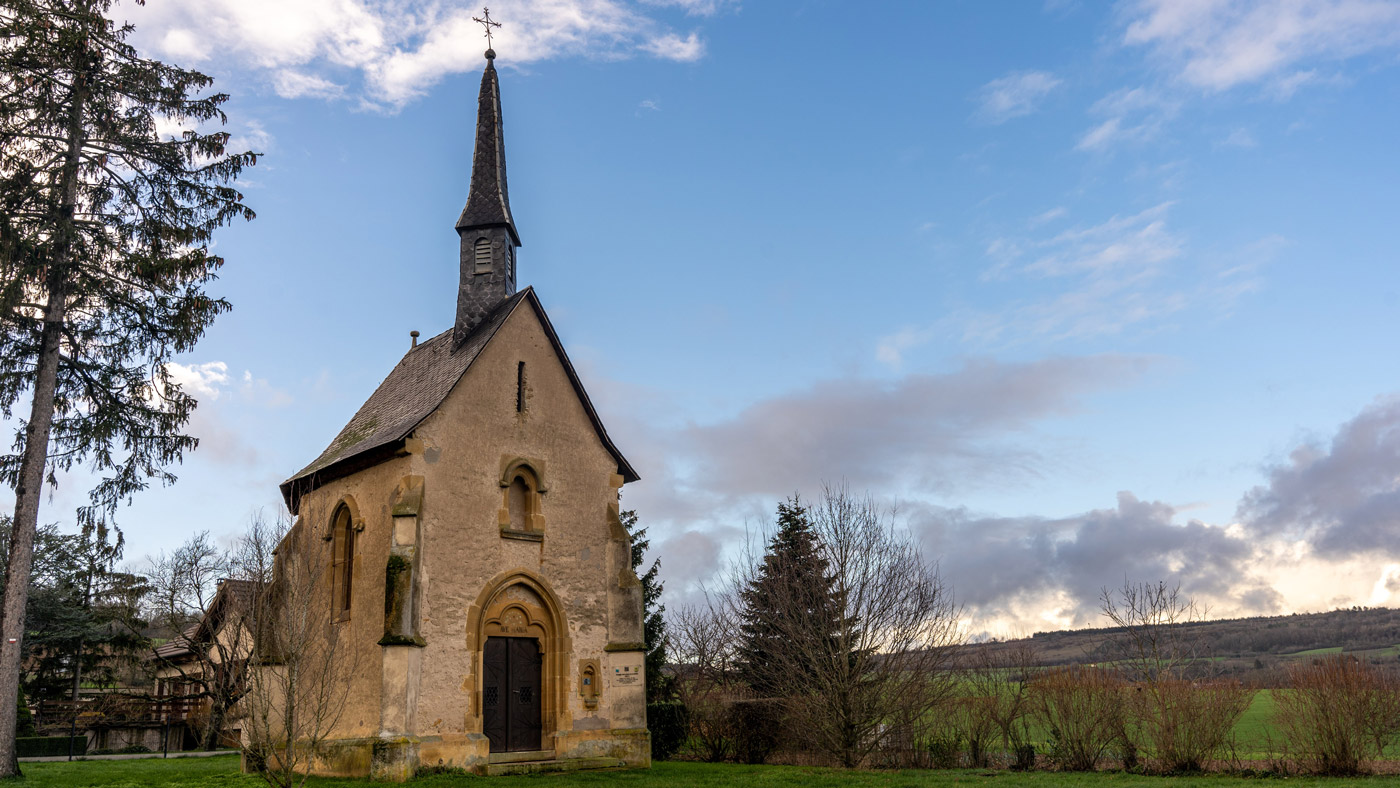
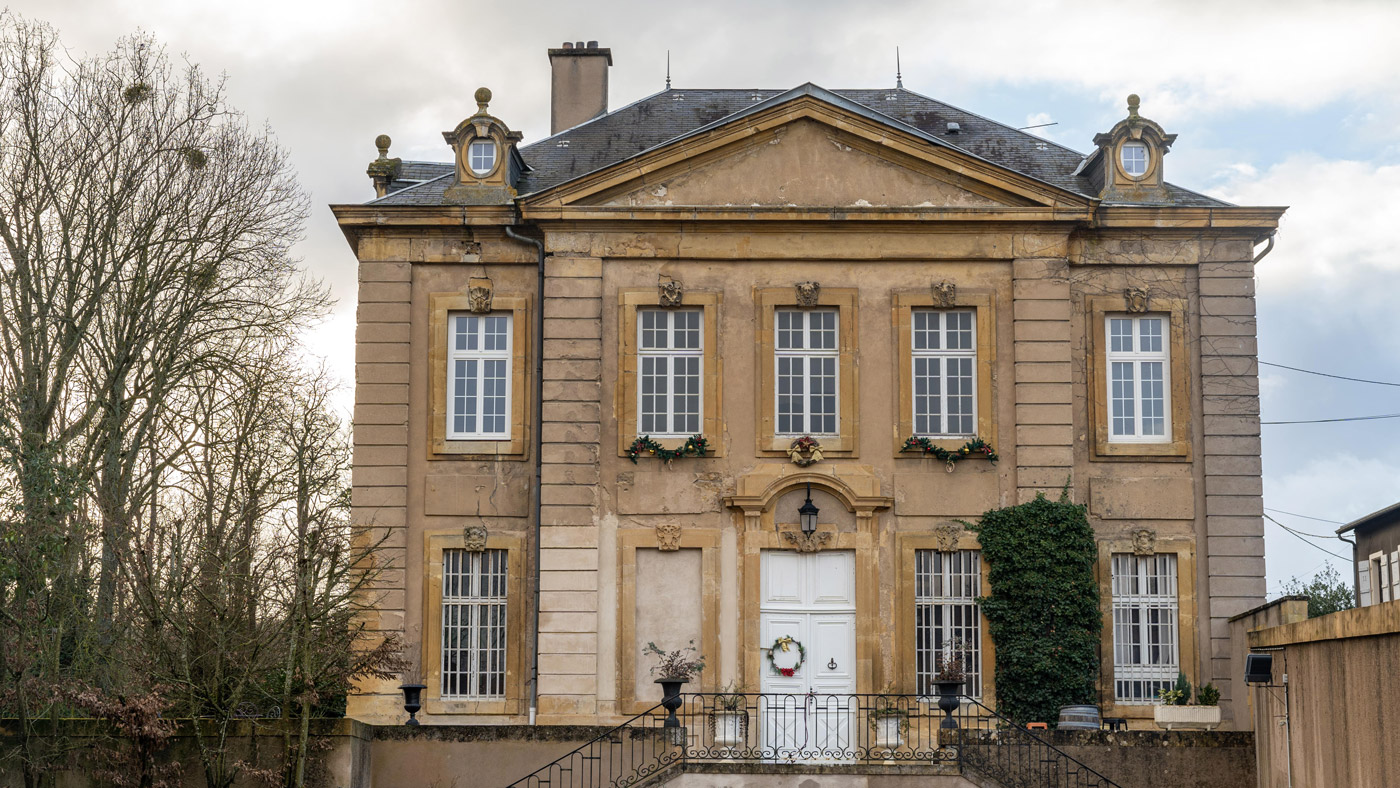
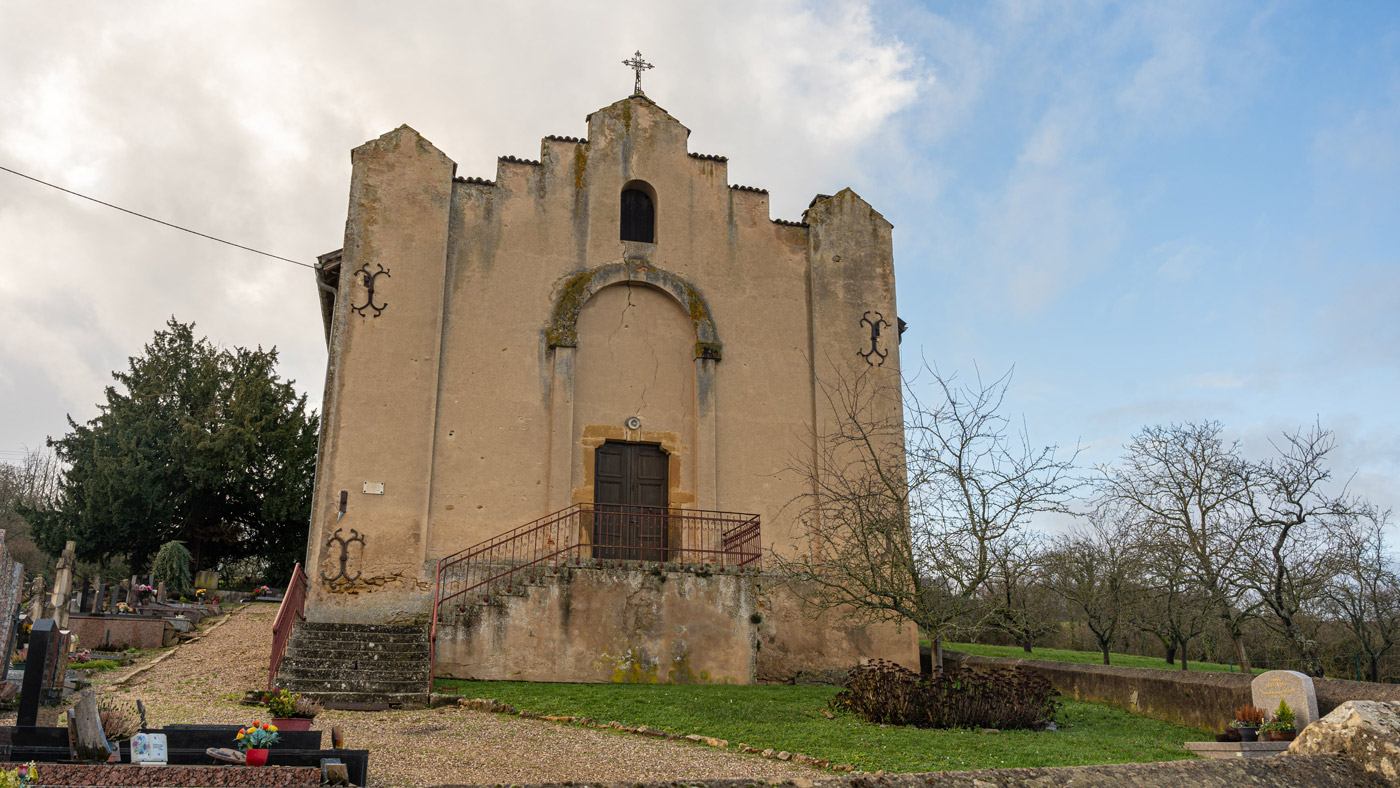
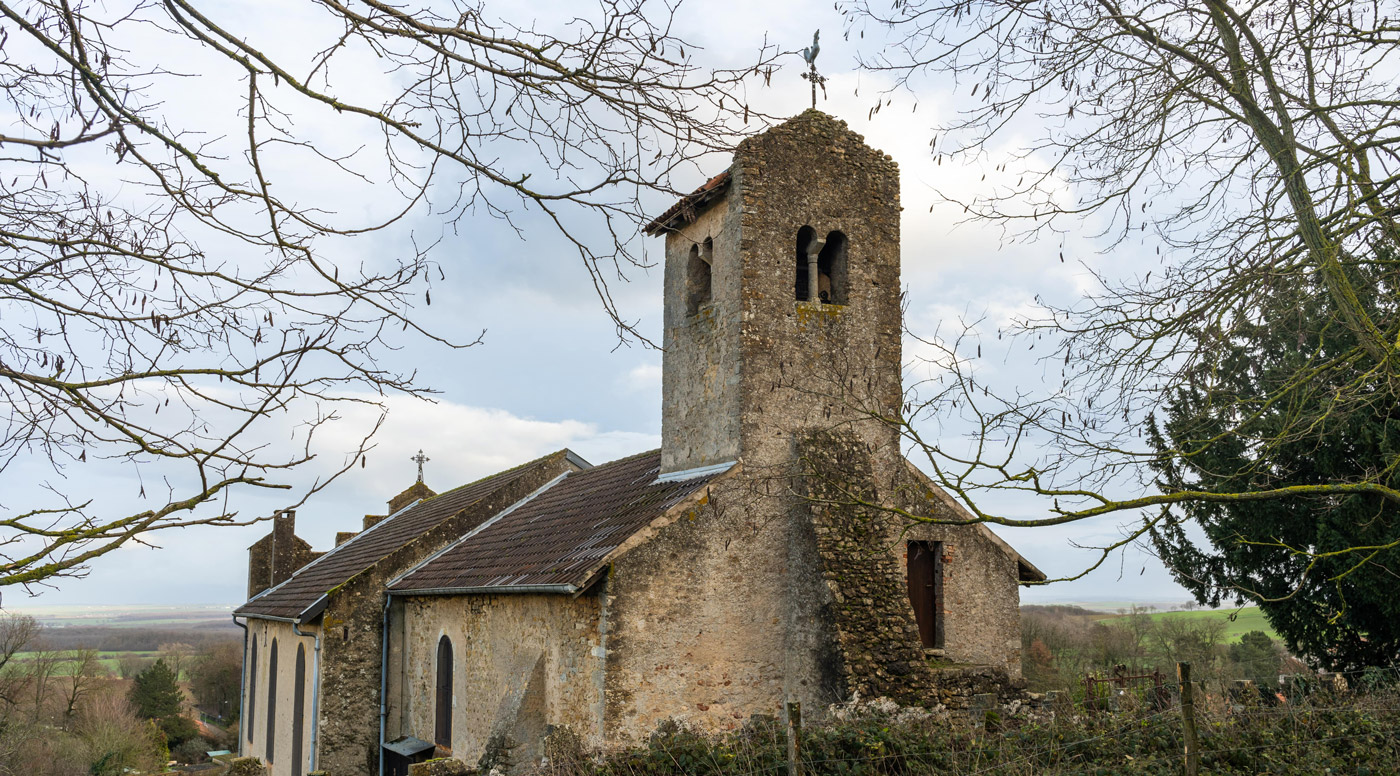
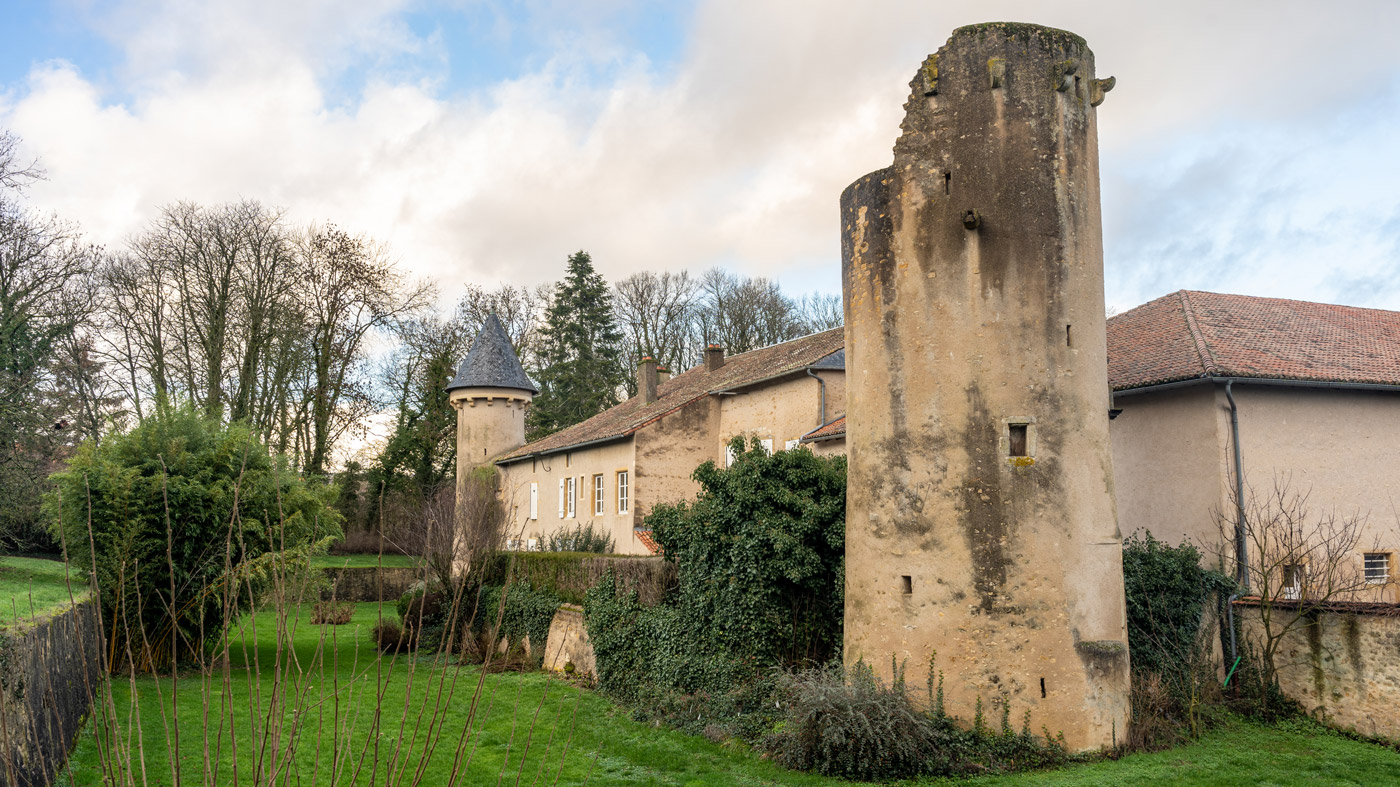
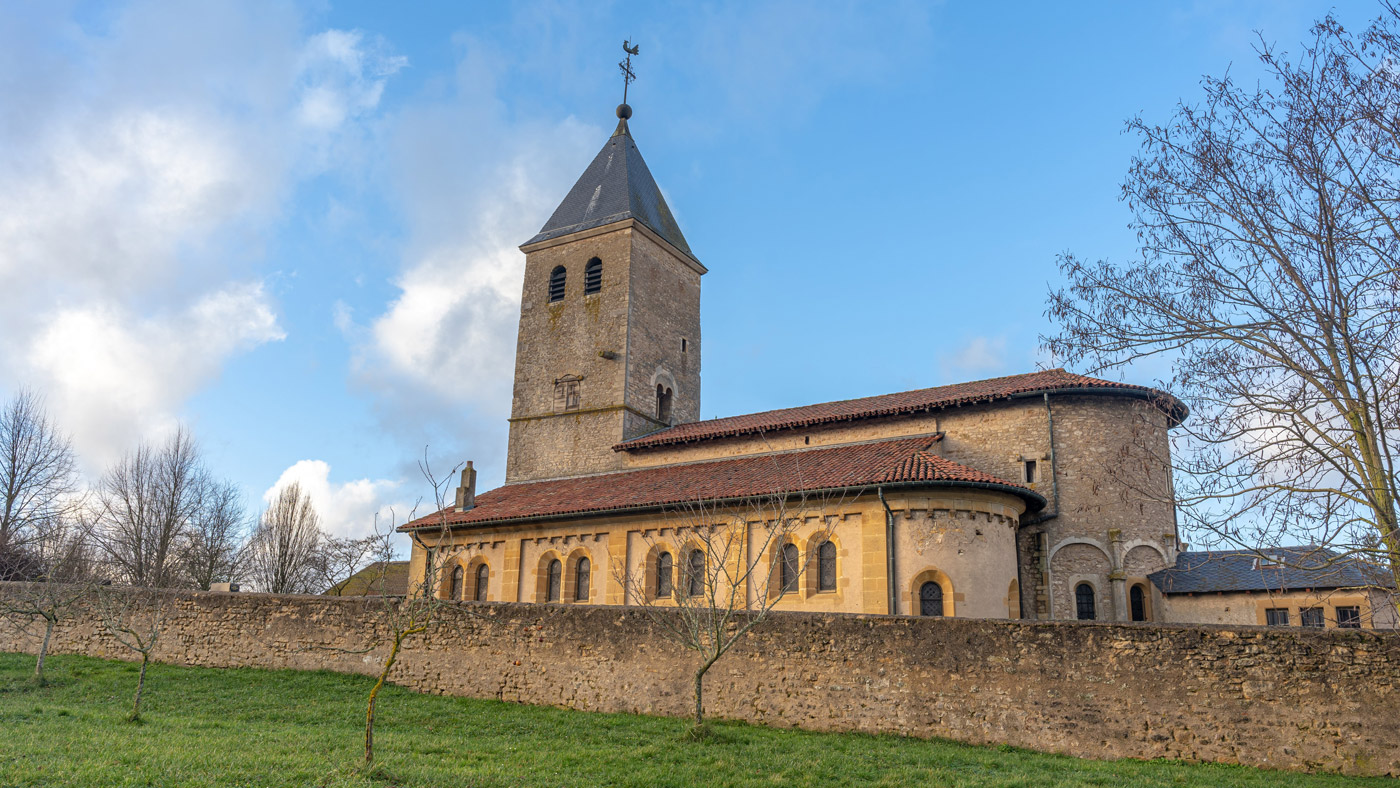
Combining natural and historical heritage, it forms part of the circuit of fortified churches in the Metz region, as it boasts two churches (including the Church of Sainte-Croix with its square bell tower, 12th–16th centuries) and two castles; it also features on nature walks, as visitors can admire the limestone grasslands (in Lorry and Mardigny), which are home to rare and protected flora and fauna.
- It was part of the former Pays Messin en l’Isle.
- It was held by the prince-bishops of the cathedral until the Revolution.
- In the 14th century, the seigneury was under the control of powerful families from Metz.
- In the 16th century, the fortified house was frequently besieged during the wars between the Lorrainers and the people of Metz: it was burnt down by the Lorrainers in 1433, 1439 and 1489; and in 1444 by the Sieur de Commercy.
- The Reformation was briefly introduced in 1540.
- From 1790 to 2015, Lorry-Mardigny was a commune in the canton of Verny.
Heritage to discover
- Church of Sainte-Croix in Lorry
- Church of Saint-Clément in Mardigny
- Remains of a Roman road;
- Lorry Castle (18th century) and the park’s boundary walls, listed as historic monuments by decree of 29 June 1993
- Mardigny Castle (14th century), remodelled in the 16th and 20th centuries: 16th-century gatehouse tower, façades and roofs of the residential building, and the turret at the north-west corner of the building, listed by decree of 19 September 1963; outbuildings, tower ruins, moat and bridge listed by decree of 9 November 1984
- Mural paintings (Sainte-Croix Church) by the Alsatian painter Edouard Weltz (1876–1945), whose most monumental work known to date is located in the church at Langatte (Sarrebourg district)
- Limestone grasslands